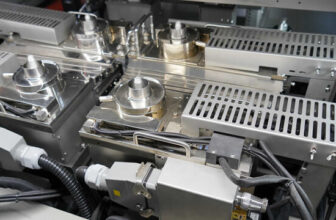
An air quality monitoring system or AQMS is a system utilized to measure the quality of air and meteorological parameters such as wind speed, direction of the wind, rainfall, temperature, etc. These systems integrate IoT-based ambient analyzers for monitoring the concentration of hazardous air pollutants such as SO2, NOx, CO, CO3, and many more.
According to the World Health Organization, almost 99% of the global population breathes air exceeding WHO guideline limits. The outdoor air in a world of ever-increasing population contains high levels of pollutants, especially in low or middle-income developing countries. These extremely high numbers of harmful air pollutants are due to earth’s climate change and negative effect on the ecosystem globally.
With increasing chronic health diseases and an attempt to reduce greenhouse gas emissions, air quality monitoring systems have gained traction. Smart air quality monitoring systems assist to continually monitor and measure air pollutants for air pollution assessment. The demand for air quality monitoring systems have hence increased substantially.
IoT-Based Smart Air Quality Monitoring Systems: From Outdoor to Indoor
Research and development have consistently worked into improving air quality monitoring systems with Iot-based smart mechanisms. The systems are embedded with advanced nanotechnology and remote sensors to actively monitor growth opportunities. For instance, AQMs are embedded with unique nanotechnology to offer various procedural benefits such as device miniaturization, real-time data monitoring and increased analytical efficiency.
Rising demand for smart city development projects in developing countries is expected to drive the demand for air quality management systems. Research analysts at Extrapolate have predicted the value of air quality monitoring systems to reach USD 7.3 billion by 2028 at a compound annual growth rate of 6.8% during the forecast period 2022-28.
Pipeline construction and increased market availability of technologically advanced air pollution monitoring systems are likely to provide prospective growth opportunities for these systems owing to their significant impacts to protect and safeguard the environment. For instance, Honeywell International Inc. and Intel Corporation are two private companies that work alongside governing bodies to monitor air quality and assist in conservation of ecology.
Indoor air quality monitoring is the process of gathering continuous data on the particles, gasses, and chemicals present in the air inside homes. From outdoor air quality assessment to indoor air quality monitoring, these IoT-based smart devices are currently assisting nearabout 91% of the U.S. population to adopt these healthy indoor quality (IAQ) assessors to monitor and measure the air quality in homes.
Drawbacks Affecting Steep-Slope-Speed For Air Quality Monitoring Systems
The high initial and maintenance costs of air quality monitoring solutions may hamper the demand for these systems. The high costs of installation and maintenance air quality are creating resistance amongst populations to utilize these systems. Certain rural or underdeveloped areas do not have access to air quality monitoring systems due to high cost.
The installation for a single air quality monitoring system alone costs USD 100,000-200,000 in the United States, whereas in a developing country like India, the AQM station has been witnessed to cost a whopping USD 0.21-0.35 million. Apart from this, the maintenance costs have been estimated to be nearly 10% of the initial cost of the station, marking the cost of air quality monitoring systems to be significantly high.
The implementation of stringent pollution control policies in mature markets for compliance of effective air pollution monitoring, data collection, and data surveillance are associated with high costs of both installation and maintenance. These stringent laws are receding the growth of air quality monitoring systems.
For instance, the government of India delayed the deadline for installation of Flue Gas Desulfurization units in thermal power plants by the year 2022 in populous regions and by 2025 for less populated regions. Therefore, lack of infrastructural facilities to undertake the task of pollution control are hampering the implementation of effective monitoring and control systems across the globe.
Air Quality Monitoring Systems Acing The World (Some Brand Examples)
Indoor air quality monitoring systems have gained traction with the rising requirement to tackle indoor air pollution. According to the Environmental Protection Agency, the U.S. population spends almost 90% of their time indoors. Indoor pollutant concentrations have risen in recent decades, increasing the demand for air quality monitoring systems. Here are a few brand examples who have implemented air quality monitoring systems:
- Oizom – Polludrone: Oizom introduced “Polludrone”, a fully integrated real-time air quality monitoring system to monitor all critical ambient environmental parameters such as air quality, noise, odor, weather, and radiation. Furthermore, meteorological parameters such as wind speed, wind direction, rainfall, flood levels, and visibility can be monitored using ground-level weather data from external modules.
- Aeron – LAMINAR: Aeron introduced “LAMINAR AQM21”, a smart air quality monitoring system ideal for monitoring criteria pollutants, particulate matter, noise level, weather parameters, and other gaseous contaminants in real time. The AQM21 monitors air pollution data for PM2.5, PM10, CO, CO2, SO2, VOCs, and environmental data for temperature, humidity, pressure, wind speed, wind direction, noise, UV, light intensity, and more.
- Aeroqual – AQM 65 Series: Aeroqual designed the AQM 65 series, consisting of innovative air monitoring solutions for multiple end-user industries such as construction, remediation, industrial ozone, wildfire smoke protection and indoor air quality. Gathering real-time data for accurate analysis, the company has expanded its business footprint in over 70 countries.
Smart Air Quality Monitoring System: An Environment-Friendly Approach Right Ahead
Green building acceptance will result in favorable changes for indoor air quality monitoring systems. This, in turn, will increase the adoption of indoor air quality monitoring solutions among businesses. The development of significant smart city projects in several countries is expected to create new opportunities in the global air quality monitoring system market.
For instance, in June 2021, the World Bank’s Board of Executive Directors approved USD 0.22 billion in funding for a new smart city project in Ukraine. The funding package also includes a USD 0.18 billion loan from the International Bank for Reconstruction and Development (IBRD).
Continuous and real-time indoor quality monitoring systems are effectively driving the market, providing consumers around the world with accurate IAQ monitoring systems with IoT-based technology. These unique solutions with air quality monitoring systems are an effective method to tackle air pollution on a global level.
With effective air monitoring, toxic gas detection, temperature/humidity measurement and catering to improving overall human health will intend to provide IoT-based smart solutions for consumers. With one step at a time, IoT would drive and shape the future of air quality monitoring systems.