With over 90 million foreign visitors per year, tourism is a pillar of the French economy that provides restaurants with immense opportunities for growth. France’s vibrant food scene has long been a major travel draw. The influx of tourist spending at eateries around the country contributes billions in revenue annually.
Beyond dollars, tourism also exposes restaurants to global influences and incentives for innovation. However, balancing tourist desires with local interests poses challenges. This article will explore how France’s unparalleled tourism industry is shaping present and future gains for the restaurant business.
Overview of Tourism’s Scale in France
To understand tourism’s impacts, it helps to grasp the sheer number of travelers France draws and where they visit:
Nearly 100 Million Visitors Annually
France is the world’s most visited country, attracting over 89 million foreign tourists in 2019 before the pandemic plunged travel. Domestic tourism expands that total visitor count further. This enormous volume of vacationers and sightseers translates to significant revenue.
Iconic Destinations Like Paris, Provence, and the Riviera
Popular areas like Paris, Provence, and the French Riviera attract millions annually. Lesser-known regions are also growing in popularity. But the huge influx in legendary destinations shapes local tourist economies. For restaurants in these areas, travelers provide a captive customer base.
Diverse Guests Interested in Food, Art, Shopping, and History
France entices a wide demographic of leisure and business travelers. Visitors come seeking culture, cuisine, history, and luxury experiences. Foodie travelers, in particular, help drive restaurant demand. Tourism trends point toward more personalized, eco-friendly, and local trips.
How Tourism Stimulates and Transforms the Restaurant Sector
Let’s look at tourism’s positive impacts on French restaurants:
More Customers and Revenue During Peak Seasons
Tourists significantly expand restaurants’ customer base, bringing in billions of euros in added revenue. Eateries near top attractions rely on travelers to fill tables during busy summer and holiday seasons. This provides stability for local dining spots.
Exposure to Global Influences and Cuisines
Tourists allow chefs to expand their culinary horizons with new flavors and cooking techniques. The influx of diverse visitors makes restaurants more likely to incorporate international influences. This benefits local diners through increased diversity.
Incentives for Innovation in Concepts, Menus, and Design
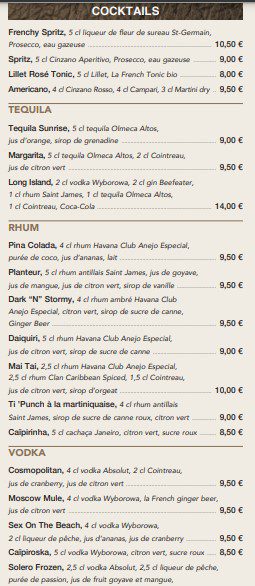
Competing for tourist attention pushes restaurants to innovate and offer fresh experiences. FrMenu displays tasting menus aimed at visitors. Historic restaurants invest in expanded kitchens and updated decor to impress guests. Tourism encourages investments that also benefit residents.
How Different Restaurant Sectors Profit from Travelers
Tourist spending empowers all dining segments, but especially:
High-End Gastronomy and Fine Dining
Luxury restaurants rely heavily on deep-pocketed tourists. At places like Guy Savoy or Alain Ducasse, travelers may comprise 80% of diners. These haute cuisine temples use tourism revenue to employ acclaimed chefs and source top ingredients.
Classic Casual Brasseries and Bistros
Classic French brasseries prosper catering to tourist visions of Parisian cafe culture. Visitors may account for 50% of sales at icons like Bofinger or Au Pied de Cochon. Their ornate decor and celebrated dishes like choucroute become must-try local experiences.
Bakeries, Patisseries, and Neighborhood Cafes
Bakeries and cafes benefit from tourists craving breakfast pastries or coffee breaks between sightseeing. Visitors who repeat trips build loyalty to beloved local establishments. Tourism makes previously overlooked gems viable.
Challenges the Industry Faces in Managing Travelers
However, heavy tourism poses difficulties for restaurants striving to serve both tourists and residents:
Managing Customer Flows During Peak Times
Influxes of visitors strain capacity at popular spots, causing long waits and rushed dining experiences. Understaffing and limited reservations make balancing tourist groups with regulars tough during high season.
Language Gaps Create Ordering and Service Issues
Staff at tourist-heavy restaurants often struggle with foreign languages, causing complications or miscommunication with orders. Wait times slow if guests cannot easily convey preferences. Enhancing multilingual capabilities is difficult.
Wild Swings Between High and Low Seasons
Reliance on tourism creates extreme highs and lows in site traffic throughout the year. Low visitor numbers during off-peak months lead to idle capacity despite staffing sized for peak periods. Volatility makes budgeting difficult.
Adapting to Meet Future Tourism Demand
As tourism evolves, restaurants can tailor strategies to maximize this business:
Multilingual Staff and Digital Ordering Options
Hiring more multilingual workers or adding digital ordering can ease service for international visitors. Diners could customize orders and staff can prep food correctly. Language apps also help staff quickly communicate in many tongues.
Offering Immersive Local Food Experiences
Travelers increasingly want to embrace local culture through dining. Restaurants can provide cooking classes, market tours, and multi-course tastings that highlight regional specialties. This satisfies tourist desires for authenticity.
Deploying Digital Technologies to Enhance Service
From online reservations to digital tableside ordering, technology streamlines dining, even during busiest times. Targeted social media helps restaurants inspire travelers before they arrive. Digital tools alleviate pressure points.
Conclusion
France’s enviable influx of eager culinary tourists provides huge opportunities for restaurants to grow and evolve. Adapting operations, menus, and ambiance to cater to visitors while retaining local charm will enable businesses to thrive amid shifts in mass tourism. France’s restaurants can craft an authentic, innovative future that nourishes both local and global appetites through strategic tourism development.
FAQs
Does tourism inflate restaurant prices in France?
Prices have risen modestly at popular tourist spots to account for higher demand. But competition among eateries prevents excessive markups. Strong local patronage keeps pricing aligned to resident expectations.
Are tourist-oriented restaurants lower quality?
Not necessarily – many iconic dining institutions like Maxim’s owe their reputations partly to tourist traffic. However, spots that take tourists for granted can lose quality. The best restaurants maintain standards for all patrons.
How does seasonality impact staffing at tourist hotspots?
Restaurants in tourist areas often expand hiring in peak summer and holiday seasons, then reduce staff during lower winter demand. However, top restaurants maintain high service standards year-round.
Do locals avoid restaurants popular with tourists?
Locals often avoid major tourist hubs due to crowds and inflated pricing during peak times. But residents still value historic institutions that thoughtfully accommodate visitors while respecting local regulars.
How can restaurants balance tourist and local needs?
Tactics like reservation policies favoring locals, happy hours during off-peak times, and discounts for residents help restaurants cater to both tourists and local community members. Clear communication of efforts eases concerns.