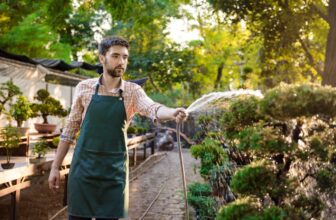
Do you have a green thumb? Or do you wish you had one? Either way, planting a garden may be worth giving it a shot. Not only can a vegetable garden help keep you healthy and fit, it can also help you reduce stress, build a supportive community and create your own food supply. Where you live and your climate are also a big factor when it comes to choosing a garden. You can either grow your own garden indoors or outdoors. Either way, these tips can help you get started with the right intentions.
Choose the Right Soil
The soil type is a crucial consideration when planting a garden. You don’t want to start with the wrong soil because it can lead to disappointment and discouragement. If you know your soil is poor, you can amend it with compost or manure before you plant anything. But if you are unsure about the quality of your soil, you should test it for pH levels and add lime or sulfur as needed. Garden blog
Start with Seedlings and Plants That tolerate heat and humidity
It’s not always easy to find out if a plant will do well in your garden. Weather, soil type, and other factors can make it difficult to know if your plants will flourish. What’s the solution? Start with seedlings and plants that are known to tolerate heat and humidity. The best time of year to start a garden is in spring or fall when the weather isn’t too hot or humid – this is when you’ll have the most success. You may also want to consider planting vegetables that grow better in either cool or warm temperatures, like tomatoes or eggplant. If you’re unsure, ask at your local nursery which veggies grow better in your area.
Get Organized
This may sound obvious, but it is worth remembering. You need to have a plan of where you are putting your seeds and plants before you start. Make sure you know what each plant needs in order to grow, such as soil depth and sun exposure. You should also create an irrigation system if you’re planting your garden outside and you live in an area with dry weather.
Make the Most of the Space
When it comes to planting a garden, the size of your space is always a factor. And while it doesn’t take a lot of space to create a small vegetable garden, there are some considerations you need to keep in mind when choosing where to plant your vegetables. You want to make sure that you won’t be planting in an area with too much shade as this may inhibit growth and production. You also want to avoid areas that are prone to high winds, as this can destroy plants. Choose an area that has good drainage so that the water drains away from your plants. If you live in an area with heavy rains, make sure the area you’re planting in will have time for dryness before those rains come again. You also want to consider how long the growing season is in your climate zone because this will determine what type of crops will work best for you. For example, if you live in an area with a short growing season (i.e., less than four months), then grow vegetables that mature quickly such as leafy greens and root vegetables like radishes or carrots.
Add some Fruity Vegs
Plant some fruity vegetables, like lettuce and tomatoes, to make your garden more flavorful. If you’re new to gardening, these two veggies are great starter plants. Not only are they easy to grow and maintain, but they can help you stay healthy. Tomatoes provide vitamin C and lycopene, while lettuce is a good source of beta-carotene.
Get Some Squash (and Other Night Highs)
If you have a green thumb, then it’s time to start planting! But if you’re not so sure about your skills, that’s okay too. The great thing about gardening is that there are lots of different ways to grow food and plenty of resources online to help you along the way. It can be difficult to know where to start, though. So we put together this list of 9 tips on how to get started with a vegetable garden – whether you have a green thumb or not: 1. Research what veggies will grow in your region and soil type 2. Check for pests and weed out the plants that attract them 3. Plant vegetables that work well together in order to keep pests at bay 4. Get seeds as soon as possible, preferably from a local supplier 5. Plant your garden according to each vegetable’s specific needs (amount of sun, water, etc.) 6. Keep the ground moist by watering twice a day or if it dries out quickly 7. Pull weeds often; they’ll compete with your vegetables for nutrients and space 8. Mulch around the base of each plant for moisture retention and weed prevention 9. Keep track of off-season planting dates to make sure your harvest lasts all year long
A Few Desserts Broth Through
A few of my favorite recipes include chicken broth, dill pickles and desserts. Sometimes, I like to mix all three in a soup bowl for a taste of paradise.
Get Your Greens First, Then your Cabbages and Carrots
The first thing is to plan what you want to grow. This can be difficult if you’ve never done it before. You may not have a lot of experience with plants and outdoor spaces that fit your climate. Many people start by doing research on types of plants they’re interested in, the soil type and pH, water, sunlight requirements and more. There are plenty of resources available online that can help you figure out what type of garden would work best for your location. The University of California has an excellent website with information about how to garden in different climates as well as links to other gardening resources for many parts of the country. Once you’ve done your research, it’s time to get started on the ground work.
Conclusion
If you’ve ever wanted to start a garden, but are not sure where to start, these 9 tips will help you make the most of your space, maximize your crop yield, and ensure that your garden is a success. Start by choosing the right soil. Create a well balanced mix of compost, manure, and soil and then add some peat moss to retain moisture. Next, choose plants that tolerate heat and humidity. You might also want to look into some fruity veggies to add to your garden. Think about what you need most from your garden and make sure to include squash (and other night highs) as well as cabbage and carrots. Finally, get your greens first, then your cabbages and carrots to make sure you’re able to sustain a healthy harvest. And that’s it! Now you know how to get started on your new garden!
This article is provided by https://www.goodgardn.co.uk/blogs