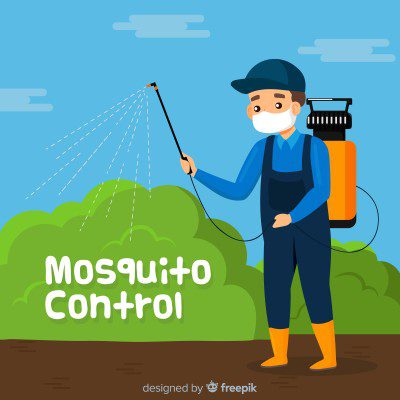
Maintaining a healthy garden often involves managing pests to protect your plants without harming the environment or your health. Bio pesticides, derived from natural sources, offer a safe and effective alternative to conventional chemical pesticides. However, with a wide range of options available, selecting the right bio pesticides for your garden can be daunting. Let’s explore how to choose bio pesticides that are both safe and effective for your gardening needs.
Understanding Bio Pesticides
Bio pesticides are pest control products derived from natural materials such as plants, bacteria, fungi, and minerals. Unlike synthetic chemical pesticides, bio pesticides work in harmony with nature, targeting pests while minimizing harm to beneficial organisms, humans, and the environment. Understanding the different types of bio pesticides can help you make informed choices for your garden.
Types of Bio Pesticides
1. Microbial Bio pesticides
Microbial bio pesticides contain living microorganisms, such as bacteria, fungi, and viruses, that target specific pests. Examples include Bacillus thuringiensis (Bt), which controls caterpillars and larvae, and Beauveria bassiana, which targets various insect pests.
2. Botanical Bio pesticides
Botanical bio pesticides are derived from plants and contain natural compounds that repel or disrupt pest activity. Examples include neem oil, pyrethrum (derived from chrysanthemum flowers), and garlic oil.
3. Biochemical Bio pesticides
Biochemical bio pesticides are naturally occurring substances that interfere with pests’ physiological processes. These may include insecticidal soaps, which disrupt pests’ cell membranes, and insect growth regulators, which inhibit pests’ development.
Choosing the Right Bio Pesticides
1. Identify the Pest
Before selecting a bio pesticide, identify the specific pest or pests causing damage to your plants. Different bio pesticides target different pests, so knowing the pest species will help you choose the most effective product.
2. Consider Environmental Impact
Choose bio pesticides with minimal impact on beneficial insects, birds, and other non-target organisms. Look for products labeled as environmentally friendly or certified for use in organic gardening.
3. Read Product Labels
Carefully read the labels of bio pesticides to understand their ingredients, target pests, application instructions, and safety precautions. Follow the manufacturer’s recommendations for proper use and dosage to maximize effectiveness and minimize risks.
4. Test Compatibility
Before applying bio pesticides to your entire garden, test them on a small area or a few plants to ensure compatibility and observe any adverse effects. Monitor the treated plants for several days to assess the bio pesticide’s effectiveness and any potential side effects.
5. Rotate Products
To prevent pests from developing resistance to bio pesticides, rotate products with different modes of action and active ingredients. Incorporate cultural practices such as crop rotation and sanitation to further reduce pest pressure and reliance on bio pesticides.
Conclusion
Choosing the right bio pesticides for your garden involves considering factors such as the type of pest, environmental impact, product labels, compatibility, and rotation strategies. By selecting safe and effective bio pesticides and integrating them into your gardening practices responsibly, you can protect your plants from pests while promoting a healthy and sustainable garden ecosystem. Remember to always follow the manufacturer’s instructions and prioritize safety when using bio pesticides in your garden.