
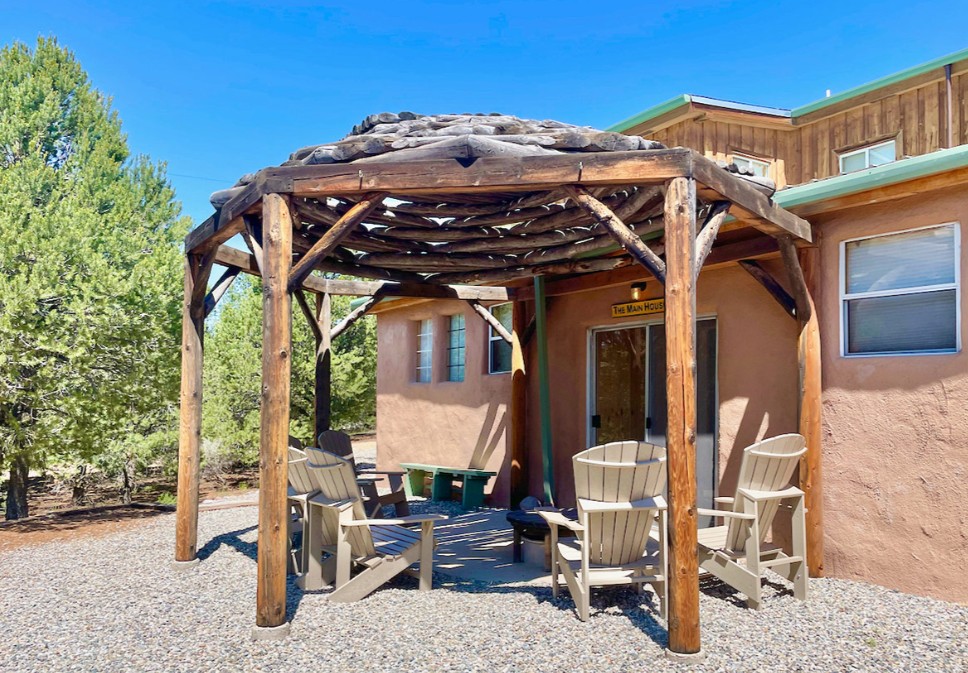
Wellness retreats have become increasingly popular as more people look for ways to unwind, recharge, and reconnect with themselves. But what exactly are wellness retreats? And why are so many people drawn to rural retreats in particular? If you’re curious about taking a break from the hustle and bustle of daily life, this guide will help you understand the basics of wellness retreats and offer friendly advice on how to make the most of your experience.
What Is a Wellness Retreat?
At its core, a wellness retreat is a getaway designed to support your physical, mental, and emotional well-being. Unlike a typical vacation focused on sightseeing or partying, wellness retreats focus on restoring balance and promoting healthy habits. They often combine activities like yoga, meditation, nutritious eating, and nature immersion to create an environment where you can relax deeply and heal.
What makes rural retreats so special is their location away from noisy cities and crowded tourist spots. Nestled in the calm of nature, rural retreats give you space to breathe fresh air, listen to birds, and enjoy wide-open spaces. This peaceful setting naturally supports relaxation and helps you slow down.
Why Choose Rural Retreats for Wellness?
Rural retreats offer a unique kind of calm that’s hard to find anywhere else. Here are a few reasons why people often prefer these retreats:
-
Nature Connection: Being surrounded by trees, hills, rivers, or fields encourages mindfulness and reduces stress. This connection with nature is grounding and often sparks creativity and clarity.
-
Less Distraction: Away from the buzz of city life, rural retreats provide a quieter, distraction-free zone. This helps you focus better on your wellness goals, whether that’s meditation, journaling, or simply resting.
-
Fresh, Clean Air: Clean air and fewer pollutants can improve your breathing and energy levels, making the whole wellness experience more effective.
-
Community Feel: Many rural retreats foster a strong sense of community. Being with like-minded people in a peaceful environment can enhance feelings of support and encouragement.
How Do Wellness Retreats Work?
Wellness retreats typically run programs or schedules to help you unwind and rejuvenate. These may include gentle yoga sessions, guided meditation, nature walks, healthy meals, and workshops on wellness topics like stress management or mindful eating.
The idea is to give you the tools and space to tune into your own needs and develop habits that promote lasting well-being. Most retreats encourage participants to disconnect from technology and work, so you can fully relax and be present.
Friendly Tips for First-Timers at Wellness Retreats
If you’re thinking about trying a wellness retreat, especially a rural retreat, here are some helpful tips:
-
Be Open-Minded: Every retreat is different, so try new activities even if they feel unfamiliar at first. You might discover something you love, like yoga, breathing exercises, or mindful walks.
-
Pack Comfortable Clothes: Choose loose, breathable clothing suitable for gentle exercise and outdoor time. Layering is a good idea since rural areas can have variable weather.
-
Disconnect to Reconnect: Many retreats encourage limiting phone use. Try to unplug as much as possible to fully enjoy the peaceful environment and deepen your self-awareness.
-
Set Intentions: Before you arrive, think about what you want from the retreat. Whether it’s stress relief, better sleep, or simply relaxation, having a goal can make your experience more meaningful.
-
Be Patient With Yourself: Wellness is a journey, not a quick fix. Give yourself time to relax and settle in. It’s okay if your mind wanders during meditation or if you don’t feel immediate results.
What to Expect at a Rural Retreat
Rural retreats vary widely, but here are some common experiences you might encounter:
-
Morning Yoga or Stretching: Many retreats start the day with gentle movement to wake up your body.
-
Healthy Meals: Food is usually fresh, organic, and balanced to support your wellness journey.
-
Guided Meditation or Mindfulness: These sessions help calm the mind and develop focus.
-
Nature Activities: Hiking, forest bathing, or gardening may be part of the program, helping you connect with the natural surroundings.
-
Workshops or Talks: You might learn about nutrition, stress management, or holistic health practices.
-
Free Time for Reflection: Plenty of downtime to journal, read, nap, or just enjoy the scenery.
Why Wellness Retreats Can Change Your Life
Taking time for yourself at a wellness retreat—especially a rural retreat—can offer benefits that last long after you return home. Here’s why many people find these experiences transformative:
-
Reduced Stress: The calm environment and healthy activities help lower cortisol levels, which can improve mood and energy.
-
Improved Sleep: Natural rhythms, fresh air, and relaxation techniques promote better rest.
-
New Healthy Habits: Learning mindful eating, regular movement, or meditation often leads to healthier lifestyle choices.
-
Emotional Healing: The quiet space allows you to process emotions and release tension.
-
Deeper Self-Understanding: Being away from distractions can help you reflect on what truly matters in your life.
How to Choose the Right Wellness Retreat for You
With so many options, picking the right retreat can feel overwhelming. Here are some points to consider:
-
Location: Do you want mountains, forests, lakes, or countryside? Rural retreats come in many settings, so choose what feels most peaceful and inspiring to you.
-
Focus: Some retreats specialize in yoga, others in detox, meditation, or creativity. Pick one that aligns with your personal wellness goals.
-
Duration: Retreats can last from a weekend to several weeks. Think about how much time you can comfortably spend away.
-
Group Size: Smaller groups often offer more personal attention, while larger ones can provide a stronger community vibe.
-
Accommodations: Consider what kind of lodging suits you — rustic cabins, cozy cottages, or more luxurious settings.
Preparing for Your Wellness Retreat
Before heading to your retreat, a little preparation can make a big difference:
-
Talk to the Organizer: If you have questions about the schedule, food, or activities, don’t hesitate to reach out.
-
Limit Stress Beforehand: Try to finish major tasks or commitments so you can arrive relaxed.
-
Pack Mindfully: Bring any items recommended by the retreat, plus personal comforts like a journal, water bottle, and reusable bags.
-
Open Your Heart: Get ready to meet new people and experience new things with curiosity and kindness.
After Your Retreat: Bringing Wellness Home
The end of your retreat doesn’t mean the wellness stops. Here are some easy ways to keep the benefits going:
-
Maintain Small Habits: Keep up with meditation, gentle yoga, or journaling even if just for a few minutes a day.
-
Stay Connected: If the retreat offered a community or online group, stay in touch with fellow participants.
-
Create a Calm Space: Design a peaceful corner at home where you can relax and recharge.
-
Prioritize Self-Care: Remember to make time for yourself regularly — even simple things like a walk or a cup of herbal tea can help.
-
Reflect on Your Experience: Think about what you learned and how you want to grow.
Wellness retreats offer a wonderful chance to pause, heal, and find balance. When you choose a rural retreat, the natural beauty and peacefulness can deepen the experience, making your journey to well-being feel even more nourishing. Whether you want to try meditation, yoga, nature walks, or just rest in a serene environment, wellness retreats provide a supportive space to nurture your mind, body, and spirit.
If you’re ready to take a break and reconnect with yourself, consider exploring rural retreats — they just might be the peaceful escape you’ve been searching for.


