
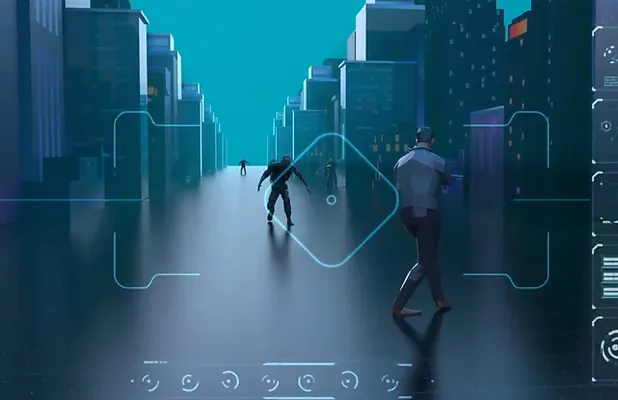
In the ever-evolving realm of visual technologies, 3D anamorphic displays stand as a testament to innovation, offering a captivating and immersive viewing experience. This exploration delves into the intricacies of 3D anamorphic displays, shedding light on their mechanics, applications, and the specialized field of anamorphic content creation.
Understanding 3D Anamorphic Displays:
A 3D anamorphic display is a sophisticated visual technology that utilizes optics and specialized projection techniques to create three-dimensional illusions. Unlike traditional displays, these setups use curved or distorted surfaces to manipulate light and produce images that appear to leap off the screen, engaging viewers in a mesmerizing and immersive experience.
Mechanics of 3D Anamorphic Displays:
The fundamental principle behind 3D anamorphic displays is the manipulation of light to create the illusion of depth and dimensionality. This is achieved through the use of curved or contoured surfaces, often in the form of screens or specialized materials. These surfaces interact with projected images, altering the path of light and producing visual effects that seem to extend beyond the confines of the display.
Anamorphic lenses play a pivotal role in 3D anamorphic displays. These lenses have unique optical properties that stretch or compress images in specific directions. By strategically placing anamorphic lenses in the projection pathway, creators can achieve the desired distortion needed for the 3D effect. This careful calibration of optics contributes to the lifelike and immersive qualities of 3D anamorphic displays.
Applications of 3D Anamorphic Displays:
3D anamorphic displays find applications across various industries, providing a dynamic and attention-grabbing platform for a range of purposes.
- Advertising and Branding: In the world of marketing, 3D anamorphic displays offer a novel and memorable way to showcase products or convey brand messages. The immersive nature of these displays captures attention and leaves a lasting impression on audiences.
- Entertainment and Events: The entertainment industry embraces 3D anamorphic displays for concerts, live events, and theatrical performances. The ability to create visually stunning illusions enhances the overall audience experience, transporting them into fantastical realms.
- Museums and Exhibitions: Cultural institutions leverage 3D anamorphic displays to bring history and art to life. Exhibits become immersive journeys, with images seemingly breaking free from the confines of traditional displays, offering a more engaging and educational experience.
- Retail Environments: In retail spaces, 3D anamorphic displays revolutionize product presentations. By adding depth and interactivity to displays, retailers can entice customers and create a unique shopping environment.
- Architectural Visualization: Architects and designers use 3D anamorphic displays to present their creations in a more realistic and impactful manner. Scale models and conceptual designs come to life, allowing stakeholders to experience architectural visions in an immersive way.
- Educational Installations: In educational settings, 3D anamorphic displays enhance learning experiences. Complex concepts can be visualized with depth and clarity, making educational content more engaging and memorable for students.
Anamorphic Content Creation:
The synergy between 3D anamorphic displays and anamorphic content creation is crucial for delivering compelling and seamless experiences. Anamorphic content refers to media specifically designed and optimized for anamorphic displays, considering the unique optical distortions and characteristics of these setups.
- Aspect Ratio Considerations: Anamorphic content creation involves careful consideration of aspect ratios. Since anamorphic displays alter the perceived shape of images, content creators must tailor their work to align with the display’s specific aspect ratio. This ensures that images appear correctly on the curved or distorted surface, maintaining the intended visual impact.
- Calibration for Optimal Illusion: Precise calibration is essential for achieving the desired 3D effect. Anamorphic content creators work closely with the technical aspects of 3D anamorphic displays, adjusting image dimensions, resolutions, and depth perceptions to maximize the illusion. This calibration is a meticulous process that requires expertise in both content creation and display technology.
- Depth Perception Enhancement: Anamorphic content creation aims to enhance depth perception, exploiting the optical illusions generated by 3D anamorphic displays. Through strategic placement of visual elements, creators can create illusions of objects extending beyond the screen, captivating viewers and immersing them in a visually rich environment.
- Interactive Elements: To fully leverage the interactive capabilities of 3D anamorphic displays, content creators incorporate interactive elements into their designs. This can include touch-sensitive surfaces, gesture recognition, or even augmented reality overlays, providing users with a more participatory and engaging experience.
- Narrative Design: Anamorphic content creation extends beyond visual aesthetics; it involves crafting narratives that exploit the unique capabilities of 3D anamorphic displays. Whether it’s guiding the audience through a virtual journey or conveying a compelling story, narrative design plays a crucial role in maximizing the impact of anamorphic content.
Benefits of Anamorphic Content Creation:
- Immersive Engagement: Anamorphic content creation enhances the immersive potential of 3D displays, captivating viewers and creating a sense of presence within the visual narrative.
- Memorable Branding: For businesses and advertisers, anamorphic content stands out as a memorable branding tool, leaving a lasting impression on audiences.
- Educational Effectiveness: In educational settings, anamorphic content facilitates more effective learning by presenting complex concepts in a visually accessible and engaging manner.
- Innovative Marketing: Anamorphic content enables innovative marketing strategies, providing a unique and attention-grabbing platform for product launches and promotional campaigns.
- Architectural Visualization Advancements: Architects and designers benefit from anamorphic content creation to showcase their projects with enhanced realism and impact.
- Versatility Across Industries: The adaptability of anamorphic content creation makes it applicable across diverse industries, from entertainment and retail to museums and educational institutions.
Conclusion:
In the realm of visual experiences, 3D anamorphic displays, coupled with the artistry of anamorphic content creation, redefine the boundaries of engagement and immersion. From creating fantastical illusions on stage to revolutionizing the way brands communicate, the fusion of technology and creative content opens up a new dimension in visual storytelling. As the landscape continues to evolve, the synergy between 3D anamorphic displays and anamorphic content creation promises to shape the future of immersive experiences, captivating audiences in ways previously unimaginable.


