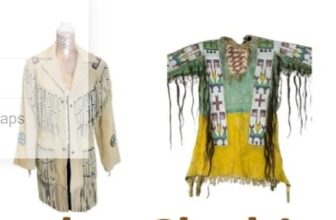
The history of native american dress California and native american dress Texas tells powerful stories about survival, culture, and identity. These garments weren’t just clothing. They represented entire ways of life shaped by different landscapes and climates.
When you compare these two regions, the differences stand out immediately. California tribes developed clothing suited to mild coastal weather and mountainous terrain. Texas tribes created designs that worked in harsh desert heat and open plains. Each piece of clothing served a practical purpose while carrying deep cultural meaning.
Understanding these traditional garments helps us appreciate the rich heritage of indigenous peoples. It also shows how environment shapes culture in profound ways. Today, many people want to learn about and honor these traditions through authentic reproductions and educational resources.
Companies like Leather Clothings recognize this interest by offering quality leather garments inspired by traditional craftsmanship. While modern interpretations differ from original tribal dress, they help keep appreciation for these cultural traditions alive.
Native American Dress in California: Coastal and Diverse
California was home to over 100 distinct tribes before European contact. The mild climate meant native american dress California focused more on decoration than heavy protection. Most clothing was minimal during warm months.
Women typically wore skirts made from plant fibers, bark, or deerskin. These skirts reached from waist to knee in most tribes. Northern California tribes added basket hats woven so tightly they could hold water. These hats protected against sun and rain while displaying intricate designs.
Men often wore simple breechcloths in warmer areas. In cooler northern regions, they added deerskin shirts and leggings. During ceremonies, both men and women wore elaborate pieces featuring feathers, shells, and beads.
The Chumash people created stunning clothing decorated with shell beads. They lived along the coast and had access to abalone shells. These shells created iridescent decorations that caught light beautifully. A single ceremonial cape might contain thousands of hand-drilled shell beads.
Inland tribes like the Pomo used different materials. They excelled at basket weaving and incorporated feathers from local birds. Woodpecker feathers were especially prized for their bright red color. These feathers appeared in headbands, capes, and ceremonial regalia.
The Yokuts people of the Central Valley created beautiful tule reed skirts. Tule grew abundantly in marshlands. Women wove these reeds into flowing skirts that moved gracefully. They dried and prepared the reeds carefully to keep them flexible.
Footwear in California varied by region. Coastal tribes often went barefoot. Mountain tribes wore simple moccasins made from one piece of deerskin. These moccasins protected feet on rocky terrain without complex stitching.
Native American Dress in Texas: Plains and Desert Adaptations
Texas tribes faced different challenges than California groups. The native american dress Texas needed to handle extreme heat, cold winters, and thorny vegetation. Clothing became more substantial and protective.
The Comanche dominated much of Texas for centuries. They wore clothing perfectly adapted to horseback riding and buffalo hunting. Men wore breechcloths with leather leggings that protected legs from brush and thorns. Women wore long deerskin dresses that reached their ankles.
These dresses weren’t simple garments. Women spent months creating a single dress. They tanned the hides until soft and supple. Then they cut and stitched pieces together using sinew thread. The best dresses featured fringe along the hem and sleeves. This fringe helped water run off during rain.
The Apache tribes in West Texas developed their own distinctive style. Their clothing emphasized mobility and durability. Men wore knee-high moccasins with hard rawhide soles. These boots protected against desert plants like cacti and mesquite thorns. The upturned toe design became an Apache trademark.
Apache women created beautiful dresses decorated with metal cones called jingles. These cones made musical sounds when women walked or danced. They also used glass beads obtained through trade to create colorful geometric patterns.
The Caddo people in East Texas had different traditions. They lived in forested areas with more rainfall. Their clothing incorporated woven textiles alongside leather. Women were skilled weavers who created fabric from plant fibers. They combined these textiles with leather for practical, comfortable clothing.
Buffalo hide played a crucial role in Texas native dress. The Comanche and other plains tribes used every part of the buffalo. Heavy winter robes came from buffalo with thick fur. These robes could keep a person warm in below-freezing temperatures. Lighter summer clothing used thinner, processed hides.
Moccasins in Texas differed from California styles. They featured hard soles made from thick rawhide. The uppers used softer leather for comfort. Many featured elaborate beadwork in tribal patterns. Each tribe had distinctive designs that identified the wearer’s people.
Materials and Craftsmanship: What Made These Garments Special
Creating traditional native clothing required incredible skill and patience. Women typically handled most clothing production, though men crafted certain items like shields and some ceremonial pieces.
Leather preparation started with careful hide treatment. Fresh hides needed scraping to remove all flesh and fat. Then came the tanning process. Some tribes used brain tanning, where animal brains created soft, supple leather. Others used smoke or plant-based tanning methods. Each technique produced different textures and colors.
The process took days or weeks depending on the hide size. A poorly tanned hide would crack, tear, or become stiff. Skilled craftswomen could create leather as soft as cloth. This leather moved naturally and lasted for years with proper care.
Decoration required additional expertise. Shell beads needed drilling by hand. A single bead might take an hour to create. Porcupine quills required dyeing and careful weaving. Glass beads arrived through trade networks and became highly valued. Women developed signature styles passed down through generations.
Featherwork demanded knowledge of local birds and seasons. Certain feathers could only be gathered at specific times. Sacred feathers like eagle feathers required special ceremonies and permissions. Attaching feathers securely without damaging them took practice and skill.
Leather Clothings understands this tradition of quality craftsmanship. The company focuses on creating durable leather goods using time-tested techniques. While modern production methods differ from traditional native practices, the emphasis on quality materials and careful construction honors that heritage. You can explore their collection at https://www.leatherclothings.com/.
Cultural Significance and Ceremonial Use
Native American dress went far beyond basic clothing needs. Every garment carried cultural meaning and often spiritual significance. Certain items were worn only during specific ceremonies or by particular people.
In California, dance regalia held special importance. The White Deerskin Dance required participants to wear complete ceremonial outfits. These included white deerskin displays that took years to prepare. Only certain families could create and display these sacred items.
Texas tribes had their own ceremonial traditions. The Comanche Sun Dance required specific clothing and ornaments. Participants fasted and wore simple garments that showed humility. After the ceremony, they received honor through gifts of fine clothing and jewelry.
Coming-of-age ceremonies often involved special clothing. Young women received their first adult dresses during puberty ceremonies. These dresses symbolized their new status and responsibilities. The community celebrated by creating beautiful garments that showed respect for the young woman’s transition.
Warrior societies wore distinctive clothing that marked their status. These weren’t just decorative choices. They showed accomplishments, clan membership, and spiritual protection. Other tribe members could read these visual markers instantly.
Modern Connections and Cultural Preservation
Today’s native communities work hard to preserve clothing traditions. Many tribes operate cultural centers where elders teach traditional skills. Young people learn tanning, beadwork, and garment construction from masters who carry centuries of knowledge.
Powwows showcase traditional and contemporary native dress. Dancers wear regalia that honors old styles while incorporating modern materials. These events celebrate cultural continuity and adaptation. They show how traditional knowledge stays alive and relevant.
Museums hold important collections of historical native clothing. These pieces provide research opportunities and connection to ancestors. Many tribes work with museums to ensure proper care and respectful display of these sacred items.
Companies like Leather Clothings support cultural appreciation by emphasizing quality and authenticity in leather goods. While they don’t claim to reproduce sacred tribal garments, they recognize the importance of traditional leatherworking skills. Their commitment to craftsmanship reflects values shared across many cultures.
The Difference Between Appreciation and Appropriation
Learning about native american dress California and native american dress Texas raises important questions about cultural respect. Native communities welcome genuine interest and education. They oppose disrespectful copying or commercial exploitation of sacred designs.
Appreciation means learning the real history and supporting native artisans. It means understanding that certain items hold spiritual significance and shouldn’t be casually reproduced. It means respecting tribal sovereignty over their own cultural heritage.
Appropriation happens when people copy designs without understanding or permission. It happens when companies profit from native imagery without supporting native communities. It happens when sacred items become costume pieces.
If you want to honor native traditions, buy from native artists when possible. Support tribal cultural programs. Learn the real history instead of relying on stereotypes. Understand that indigenous peoples are living cultures, not historical relics.
Leather Clothings approaches traditional craftsmanship with respect for various cultural leatherworking traditions. The company creates quality leather garments without claiming to reproduce sacred tribal designs. This approach honors the spirit of traditional craftsmanship while respecting cultural boundaries.
Verdict: Why Understanding Traditional Dress Matters
Learning about native american traditional clothing enriches our understanding of American history. These garments represent sophisticated cultures that thrived for thousands of years. They show innovation, artistry, and deep environmental knowledge.
The differences between California and Texas native dress illustrate how geography shapes culture. Coastal peoples developed different solutions than desert dwellers. Mountain tribes needed different clothing than plains hunters. Each adaptation made perfect sense for its environment.
These traditions continue today through dedicated community members who keep skills alive. When we learn about and respect these traditions, we support cultural survival. We acknowledge that native peoples continue to contribute to American culture in meaningful ways.
Whether you’re interested in history, craftsmanship, or cultural studies, native american traditional dress offers fascinating insights. The skills, materials, and meanings behind these garments deserve recognition and respect. They represent human creativity and resilience at its finest.