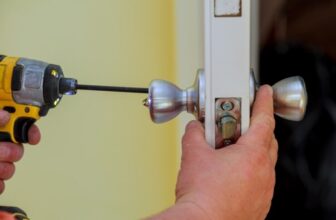
High-security locks are designed to provide stronger protection against unauthorized entry, picking, drilling, and unauthorized key duplication. However, even advanced locking systems can develop problems that prevent you from entering your home, office, or commercial property. When your high-security lock suddenly stops accepting its key, the situation can become frustrating, particularly when you need immediate access.
Before assuming that your lock has failed, consider whether the problem involves the key, cylinder, door alignment, or internal locking mechanism. Understanding these possible causes can help you avoid unnecessary damage and determine when professional assistance is needed.
If you experience this problem in Denver, APEX Locksmith Denver can help you identify the issue and explore appropriate repair or replacement solutions.
Why Does a High-Security Lock Stop Accepting Its Key?
A high-security lock may reject a key for several reasons. Unlike basic locks, these systems often contain specialized internal components and restricted key designs that require accurate alignment.
Common causes include:
- Worn or damaged keys: Frequent use can gradually affect key edges and precision-cut sections.
- Dirty lock cylinders: Dust, debris, and accumulated residue can interfere with internal components.
- Misaligned doors: Changes in door positioning can place pressure on the locking mechanism.
- Internal component damage: Worn pins, damaged wafers, or other mechanical problems can prevent proper key operation.
- Incorrect key duplication: An inaccurately duplicated key may not match the lock’s specifications.
- Temperature changes: Seasonal temperature fluctuations in Denver can contribute to door and frame movement, affecting lock alignment.
Identifying the actual cause is important because forcing the key or attempting an unnecessary repair could make the problem worse.
1. Check Your Key Before Troubleshooting the Lock
Start by examining the key carefully. Look for visible bending, worn edges, cracks, or damage around its precision-cut sections.
If you have a spare key, try it gently. If the spare works normally, the original key may be damaged or incorrectly duplicated.
You should also check whether the key belongs to the correct lock. High-security systems sometimes use restricted keyways and specialized key profiles that are not interchangeable with standard keys.
Avoid filing, bending, or modifying the key yourself. These actions can affect its precise dimensions and make it unusable.
If neither key works, the problem may involve the cylinder or another part of the locking mechanism.
2. Inspect the Door and Lock Alignment
Sometimes, the lock itself is functioning correctly, but pressure from the door prevents the mechanism from operating smoothly.
For example, a door that has shifted slightly may cause the deadbolt to press against the strike plate. This additional pressure can make key operation difficult.
Try gently pushing or pulling the door while turning the key without applying excessive force. If the lock operates more smoothly when the door is repositioned, alignment may be contributing to the issue.
Check for:
- Loose hinges or mounting screws.
- Visible gaps around the door frame.
- A deadbolt rubbing against the strike plate.
- Changes in how the door closes.
For persistent problems, a professional inspection can determine whether the door hardware or lock installation needs adjustment.
3. Avoid Forcing the Key Into the Cylinder
One of the most important things you can do is avoid forcing a key that will not enter or turn properly.
High-security cylinders contain precision-engineered components. Excessive pressure can bend the key, damage internal parts, or cause the key to break inside the cylinder.
Avoid these common mistakes:
- Using pliers to turn a resistant key.
- Inserting household objects into the keyway.
- Applying excessive force to the lock.
- Using unsuitable oils or household lubricants.
- Attempting to disassemble the cylinder without proper knowledge.
If you suspect dirt or debris, do not experiment with household cleaning products. Different locking systems have specific maintenance requirements.
A qualified locksmith can identify suitable cleaning, lubrication, and repair methods for your particular lock.
4. Understand When Professional Lock Repair Is Necessary
If your key remains stuck, will not enter completely, or repeatedly fails to turn, professional diagnosis is the safer option.
A trained Locksmith Denver professional can inspect the keyway, cylinder, internal components, and door alignment to identify the underlying problem.
Depending on the condition of your locking system, possible solutions include:
- Cleaning and servicing the lock cylinder.
- Repairing damaged internal components.
- Extracting a broken key.
- Correcting door and strike plate alignment.
- Replacing a damaged cylinder.
- Providing a properly cut replacement key.
APEX Locksmith Denver offers professional lock repair, high-security lock installation, and other residential and commercial locksmith solutions. You can explore its high-security lock installation and locksmith services to understand the available security solutions.
A professional assessment also helps determine whether repairing the existing lock is more practical than replacing it.
5. Know When Lock Replacement Is the Better Option
Not every high-security lock can be restored through routine maintenance. If the cylinder has significant internal damage, worn components, or repeated mechanical failures, replacement may provide a more dependable long-term solution.
Consider replacement when:
- The cylinder repeatedly rejects correctly cut keys.
- Internal components are severely damaged.
- The lock has experienced attempted forced entry.
- Repairs have not resolved recurring problems.
- Replacement parts are unavailable or unsuitable.
Before replacing your lock, consider its security grade, door compatibility, key-control requirements, and existing access arrangements.
For commercial properties, maintaining restricted key access is particularly important. Your replacement system should support your business’s security requirements without unnecessarily disrupting daily operations.
A professional Denver Locksmith can help evaluate compatible options and recommend a practical solution.
6. Prevent Future High-Security Lock Problems
Preventative maintenance can reduce unexpected lock failures and help preserve the performance of your security hardware.
Follow these practical recommendations:
- Keep keys clean and avoid using damaged duplicates.
- Schedule periodic lock inspections.
- Use manufacturer-approved maintenance products.
- Avoid hanging heavy objects from keys while they are inserted.
- Address door alignment problems early.
- Keep spare keys in a secure, accessible location.
- Contact a locksmith when you notice increasing resistance.
If you manage an office, retail property, or other commercial facility, include high-security locks in your regular building maintenance schedule.
APEX Locksmith Denver provides residential and commercial lock repair and installation solutions to help property owners maintain dependable entry hardware.
Get Professional Help for a High-Security Lock Problem in Denver
A high-security lock that suddenly stops accepting its key should never be ignored. The issue could involve something as simple as a damaged key or as complex as internal cylinder failure.
Your first priority should be to avoid forcing the key, identify any visible alignment problems, and seek professional assistance when basic checks do not resolve the issue.
APEX Locksmith Denver provides residential, commercial, and emergency locksmith solutions throughout Denver and surrounding metro communities. Whether you need lock inspection, cylinder repair, replacement, or a high-security upgrade, working with an experienced professional can help restore reliable access while protecting your property.
If your lock is no longer working properly, contact APEX Locksmith Denver for professional lock repair assistance and discuss the most suitable solution for your property.
Frequently Asked Questions
1. Why won’t my high-security key turn in the lock?
Possible reasons include a damaged key, dirty cylinder, worn internal components, or door misalignment. Check whether a spare key works and avoid forcing the mechanism.
2. Can a locksmith repair a high-security lock?
Yes. Depending on the damage, a locksmith may clean, service, adjust, or repair the cylinder. Severely damaged locks may require replacement.
3. Should I lubricate a high-security lock myself?
Only use products approved by the lock manufacturer. Avoid household oils and unsuitable lubricants because they may attract debris or interfere with the mechanism.
4. Can Denver’s changing weather affect high-security locks?
Yes. Temperature fluctuations can contribute to door and frame movement, potentially affecting deadbolt alignment and making key operation difficult.
5. When should I replace a high-security lock instead of repairing it?
Consider replacement when the cylinder has significant internal damage, repeatedly malfunctions, lacks suitable replacement parts, or no longer meets your security requirements.