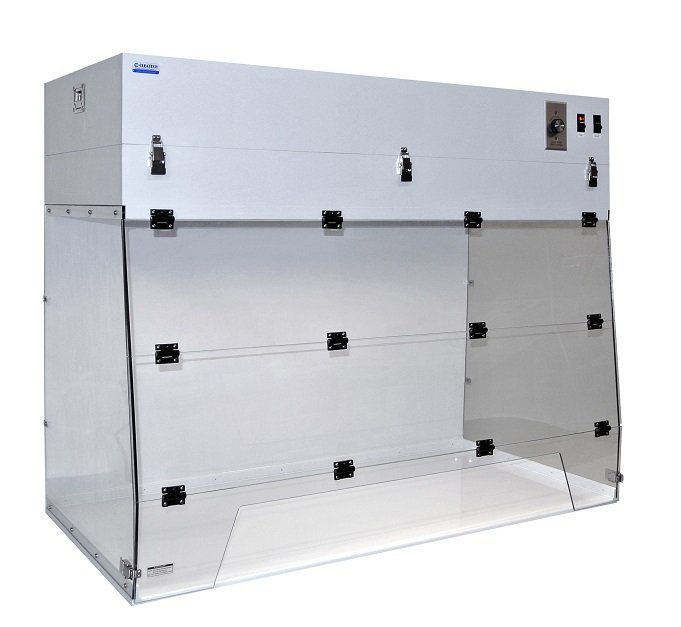
When your laboratory work generates chemical vapors, effective exhaust protection starts with understanding the hazards, selecting suitable ventilation equipment, and planning how you will use it. Evaporation, solvent transfer, chemical mixing, and sample preparation can release airborne contaminants that threaten personnel and affect the surrounding workspace. A well-planned exhaust strategy helps you control these risks while supporting consistent laboratory operations.
To plan chemical exhaust hood protection effectively, evaluate the chemicals involved, identify vapor-generation points, determine the required containment performance, and establish safe operating procedures. Your ventilation system should match the actual task rather than relying on a general-purpose solution for every chemical application.
Identify Chemical Vapor Hazards Before Selecting Equipment
Start by documenting every chemical used during your process. Review the Safety Data Sheets (SDS) to understand volatility, toxicity, flammability, corrosivity, and exposure risks. Pay particular attention to chemicals that evaporate quickly or produce hazardous vapors when heated, mixed, or transferred.
Next, assess how your team handles these materials. Pouring solvents, heating solutions, preparing reagents, and cleaning components may create different vapor concentrations and release patterns.
Create a task-specific hazard assessment that identifies:
- Chemicals and their hazardous properties.
- Maximum quantities used during each operation.
- Expected vapor-generation rates and process temperatures.
- Frequency and duration of exposure opportunities.
- Potential reactions between incompatible substances.
- Required personal protective equipment and emergency controls.
This information gives you a practical foundation for choosing suitable exhaust equipment and determining whether additional engineering controls are necessary.
Choose a Chemical Exhaust Hood for Your Application
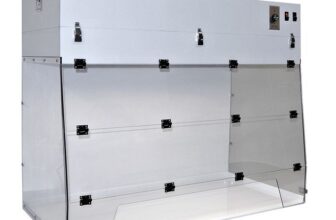
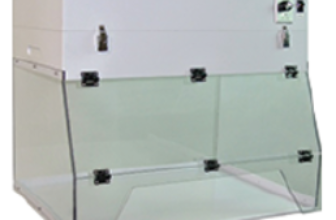
Your ventilation equipment should be compatible with the chemicals, process conditions, and containment requirements involved. A properly selected chemical exhaust hood for laboratory vapor control and hazardous chemical handling can help capture airborne contaminants before they spread into the laboratory.
When comparing options, evaluate the following factors:
Chemical compatibility: Confirm that the hood’s interior, work surface, seals, and exhaust components can withstand the chemicals and concentrations involved.
Containment performance: Determine whether the hood can control the expected vapor releases under your intended operating conditions.
Airflow requirements: Verify the manufacturer’s specified airflow and face-velocity requirements, where applicable, through qualified testing.
Exhaust configuration: Establish whether the application requires a ducted system or whether a properly engineered, compatible filtration system is suitable.
Workload and dimensions: Ensure the hood accommodates your equipment without obstructing airflow or compromising safe operation.
Do not assume that all fume hoods provide equivalent protection. For example, a filtration-based ductless hood is appropriate only when its design, filter media, chemical compatibility, capacity, and monitoring arrangements support the intended application.
Position Vapor-Generating Activities Correctly
Even a suitable exhaust hood can perform poorly when the workspace is arranged incorrectly. Plan the hood location around the tasks performed, nearby traffic, doors, supply-air diffusers, and other sources of air disturbance.
Place vapor-generating activities within the manufacturer’s designated working zone. Keep chemical containers, laboratory equipment, and other materials from blocking air openings. Avoid placing large objects near the hood opening if they interfere with airflow or create turbulence.
You should also consider how operators move their hands and equipment during routine work. Frequent reaching across a vapor source can increase exposure opportunities. Arrange tools, containers, and controls to minimize unnecessary movement and keep hazardous operations within the intended containment area.
Where possible, separate vapor-generating activities from incompatible processes, high-traffic walkways, and ignition sources. Have qualified personnel evaluate the room’s ventilation layout before installation.
Establish Reliable Airflow and Exhaust Performance
Effective chemical vapor protection depends on more than the hood’s physical construction. Your exhaust system must maintain appropriate airflow throughout the intended operating range.
Before installation, have qualified personnel evaluate the hood’s airflow specifications, exhaust ductwork, fan capacity, makeup air, and compatibility with the building’s ventilation system. Confirm that the system can accommodate the expected workload without creating excessive turbulence or interfering with other laboratory exhaust equipment.
After installation, arrange appropriate performance testing and document the results. Check airflow indicators and alarms before use, and follow the manufacturer’s inspection and certification schedule. Never rely on a visual airflow check alone as proof of adequate containment.
For vapor-generating processes that change significantly with temperature, equipment configuration, or chemical quantity, reassess performance under representative operating conditions. If airflow alarms activate or ventilation appears compromised, stop the operation safely, secure the process as appropriate, and notify the responsible safety or facilities personnel.
Develop Safe Operating and Emergency Procedures
Your chemical exhaust hood protection plan should include written procedures for routine operations and unexpected events. Train laboratory personnel to:
- Keep the sash at or below the designated operating height.
- Position vapor-generating equipment well inside the hood’s working area.
- Avoid overcrowding the enclosure or blocking airflow openings.
- Use suitable gloves, eye protection, and other task-specific PPE.
- Keep the hood free of unnecessary chemical storage.
- Report unusual odors, damaged components, airflow alarms, and equipment failures promptly.
Also, establish procedures for chemical spills, power failures, ventilation loss, and accidental releases. Specify when personnel must stop work, evacuate the area, and contact emergency responders. Never assume a fume hood can safely contain every spill or runaway chemical reaction.
Review these procedures periodically and whenever your laboratory introduces new chemicals, equipment, or experimental methods. Consistent training helps ensure that your team uses the ventilation system correctly.
Plan Maintenance and Long-Term Protection
A chemical exhaust hood requires ongoing attention to maintain dependable performance. Include routine inspections, cleaning, airflow verification, and preventive maintenance in your laboratory safety program.
For ductless systems, establish a filter-monitoring and replacement plan based on the filter manufacturer’s instructions, chemical loading, service conditions, and validated replacement criteria. Do not assume that a filter remains effective simply because it looks clean or has not reached a predetermined calendar date.
For ducted systems, inspect accessible ductwork, fans, exhaust connections, and relevant monitoring equipment according to the maintenance schedule. Keep records of inspections, corrective actions, training, and performance tests.
When planning a new installation or upgrading an existing workspace, CleaTech LLC’s laboratory fume hood and chemical exhaust solutions can help you explore equipment configurations for different laboratory requirements. Review the available specifications and confirm suitability for your exact chemical application before making a selection.
Frequently Asked Questions
1. What is the primary purpose of a chemical exhaust hood?
A chemical exhaust hood captures and removes hazardous vapors and fumes from laboratory work areas. When correctly selected, installed, and operated, it helps reduce inhalation exposure and limits the spread of airborne contaminants.
2. How do you select a chemical exhaust hood for volatile solvents?
Evaluate solvent volatility, toxicity, flammability, quantities, process temperatures, and expected vapor generation. Select compatible equipment with verified containment performance and suitable exhaust or filtration provisions. Consult your laboratory safety professional before approving the configuration.
3. Is a ductless chemical exhaust hood suitable for every application?
No. A ductless hood is suitable only when its filter media and design can safely handle the specific chemicals and operating conditions. Some substances require dedicated ducted exhaust or other specialized engineering controls.
4. How often should you inspect a chemical exhaust hood?
Check its operational indicators before use and follow the manufacturer’s inspection, maintenance, and testing requirements. Arrange formal performance verification at the intervals required by applicable standards and institutional policies, and after significant repairs or modifications.
5. What should you do if a chemical exhaust hood’s airflow alarm activates?
Stop the operation safely, secure the process if possible, lower or close the sash as appropriate, and notify the designated safety or facilities team. Follow your laboratory’s emergency procedures and do not resume work until the problem has been assessed and corrected.
Conclusion
Planning chemical exhaust hood protection requires a coordinated approach to hazard assessment, equipment selection, airflow management, operator training, and maintenance. When you match your ventilation system to the actual vapor-generating tasks, you create a more controlled working environment and reduce preventable exposure risks.
Explore chemical exhaust hood solutions for laboratory vapor containment to compare available configurations. For application-specific guidance on selecting equipment for your laboratory, Contact us today to discuss your chemical exhaust hood requirements.