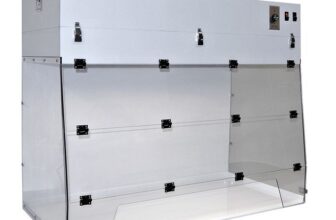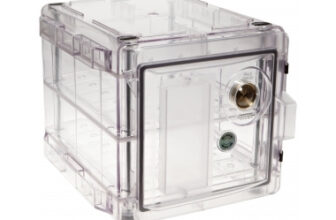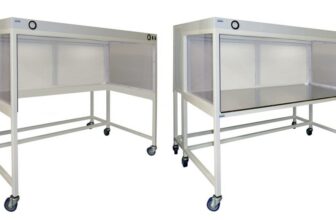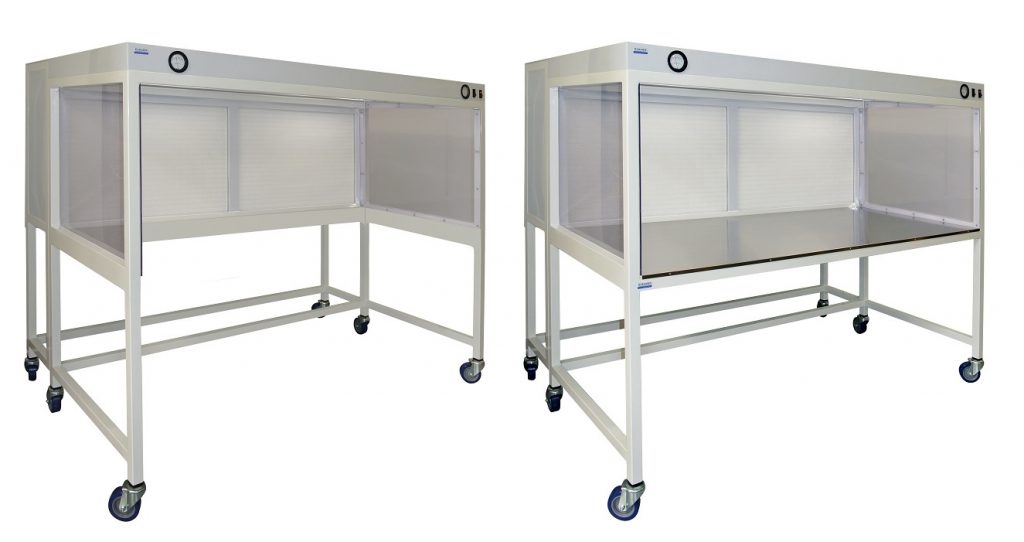
Maintaining consistent product quality is essential in industries where even small contamination risks can affect performance, reliability, and safety. Whether you work in pharmaceuticals, electronics, biotechnology, medical device manufacturing, or precision research, controlling airborne particles is a major priority. A Horizontal Laminar Flow Hood creates a clean and controlled workspace by delivering filtered air across your work area, helping you protect sensitive materials and improve production accuracy.
When you use the right airflow protection system, you can reduce contamination, maintain process consistency, and achieve better-quality outcomes. A well-designed clean environment supports your team in performing critical tasks with greater confidence and efficiency.
How Does a Horizontal Laminar Flow Hood Protect Product Quality?
A horizontal laminar flow hood improves product quality by creating a continuous stream of clean, particle-free air that moves horizontally across the workspace. This airflow pattern prevents contaminants from settling on your products, samples, or components during handling.
Unlike ordinary workspaces where dust, microorganisms, and airborne particles can easily enter the production area, laminar airflow technology provides a controlled environment. The HEPA-filtered air removes harmful particles before they reach your critical materials.
By maintaining a stable and clean airflow, you can achieve:
- Reduced contamination risks
- Improved product consistency
- Higher process reliability
- Better protection for sensitive components
- Increased production efficiency
Choosing a reliable horizontal laminar flow hood for sterile and precision applications allows you to maintain strict cleanliness standards while improving overall product quality.
Why Is Airflow Control Important for Manufacturing Accuracy?
Airflow control directly affects the quality of your final products. In precision industries, contamination from airborne particles can cause defects, product failures, or reduced performance.
A horizontal laminar flow hood provides uniform airflow across the entire working surface. This prevents turbulence that may introduce contaminants into your process. When airflow remains consistent, your team can complete sensitive operations with fewer interruptions and lower rejection rates.
For example, industries working with semiconductor parts, laboratory samples, optical components, and medical products depend on clean air conditions to prevent microscopic defects. A controlled airflow system helps you maintain repeatable results during every production cycle.
How Does HEPA Filtration Improve Clean Workspace Conditions?
One of the most important features of a horizontal laminar flow hood is its advanced filtration system. HEPA filters capture airborne particles and deliver cleaner air to your workspace.
The filtration process helps remove:
- Dust particles
- Microorganisms
- Fine contaminants
- Airborne impurities
By using a horizontal laminar airflow workstation with HEPA filtration for contamination control, you create a safer environment for handling sensitive products.
Regular filter inspection and maintenance are also important. A properly maintained filtration system ensures continuous performance and prevents airflow problems that could affect product quality.
How Can a Horizontal Laminar Flow Hood Increase Production Efficiency?
Product quality is closely connected with operational efficiency. Contamination-related issues can lead to product recalls, wasted materials, additional testing, and production delays.
A horizontal laminar flow hood helps you avoid these challenges by providing a cleaner working environment from the beginning. Your employees can focus on their tasks without frequently dealing with contamination concerns.
Benefits include:
- Fewer product defects
- Reduced cleaning requirements
- Improved workflow organization
- Better compliance with quality standards
- More predictable production results
When your workspace supports contamination control, your team can complete projects faster while maintaining higher quality expectations.
Why Choose the Right Laminar Flow Equipment for Your Facility?
Every facility has different requirements based on its processes, workspace design, and cleanliness goals. Selecting the correct equipment ensures you receive the protection needed for your specific application.
A properly designed horizontal laminar flow hood system for laboratory and industrial clean applications should provide:
- Consistent airflow performance
- Durable construction
- Easy maintenance access
- User-friendly operation
- Suitable workspace dimensions
Before selecting equipment, evaluate your product sensitivity, required cleanliness level, available space, and operational needs. This approach helps you invest in a solution that supports long-term quality improvement.
How Does CleaTech LLC Support Better Cleanroom Performance?
Reliable cleanroom equipment plays an important role in maintaining controlled environments. CleaTech LLC provides solutions designed for laboratories, manufacturing facilities, and research environments that require dependable contamination control.
With the right clean air equipment, you can improve your workflow, protect valuable materials, and maintain consistent product standards. Working with experienced professionals helps you identify the right configuration for your specific application.
If you need assistance selecting the ideal solution for your facility, you can Contact us today to discuss your requirements and find a suitable clean workspace solution.
How Should You Maintain a Horizontal Laminar Flow Hood for Long-Term Performance?
Proper maintenance ensures your equipment continues supporting product quality over time. You should regularly inspect filters, clean working surfaces, monitor airflow performance, and follow manufacturer maintenance recommendations.
Important maintenance practices include:
- Cleaning the workspace before and after use
- Avoiding airflow obstruction
- Checking filter conditions regularly
- Scheduling professional inspections
- Training operators on correct usage
Consistent maintenance protects your investment and ensures your laminar flow system continues delivering reliable contamination control.
Frequently Asked Questions
How does a horizontal laminar flow hood improve product quality?
A horizontal laminar flow hood improves product quality by providing clean, filtered airflow that reduces airborne contamination and protects sensitive materials during manufacturing, testing, and research processes.
Where are horizontal laminar flow hoods commonly used?
They are commonly used in pharmaceutical production, electronics assembly, biotechnology research, medical device manufacturing, and laboratory applications requiring clean working conditions.
How often should a horizontal laminar flow hood be maintained?
Maintenance frequency depends on usage and environment. Regular cleaning, airflow checks, and scheduled filter inspections help maintain reliable performance.
Can a horizontal laminar flow hood prevent all contamination?
No system can remove every contamination risk, but it significantly reduces airborne particles when properly installed, operated, and maintained.
What factors should you consider before buying a horizontal laminar flow hood?
You should consider workspace size, airflow requirements, application type, filtration efficiency, maintenance needs, and compliance requirements before selecting a system.
Conclusion
A horizontal laminar flow hood plays a valuable role in improving product quality by creating a clean, controlled, and reliable workspace. By reducing airborne contamination, improving process consistency, and supporting efficient operations, it helps you achieve better results across critical applications.
Investing in the right airflow solution allows you to protect your products, improve productivity, and maintain higher quality standards in your facility.